
There has been endless debate about parenting—sometimes even ridicule—where parents are accused of “spoiling” their children. Terms like kamama (spoiled girl-child) and kababa (spoiled boy-child) have become labels for children who are seen as overindulged or pampered. But before we rush to blame, we need to pause and ask: what really determines how an individual turns out?
Can we be sure that a child’s behavior is simply the result of parental spoiling? Or are there deeper, unseen factors that shape human conduct? Understanding the roots of behavior helps us approach people with compassion instead of condemnation. It reminds us that struggling individuals rarely “choose” their struggles—most are carrying burdens from circumstances beyond their control.

The Layers That Shape Us
No one wakes up one day and decides to be a certain way. Every person is shaped by a combination of prenatal, perinatal, and postnatal factors, along with their upbringing.
Prenatal factors
Life begins shaping us even in the womb. The substances a mother takes—medications, alcohol, drugs—as well as her emotional state (fear, grief, anger, stress) all leave a lasting imprint. Some medications, for instance, carry “black box warnings” because they may interfere with brain development (NIH source). A child born under such influence could face lifelong behavioral struggles, not by choice but by biological predisposition.
Unplanned or rejected pregnancies also matter. A child who was unwanted, or whose mother battled regret or attempted termination, may internalize rejection even before birth. These unseen beginnings sometimes explain later struggles, including strained parent–child relationships.
Perinatal factors
The circumstances surrounding birth—such as prolonged labor, birth injuries, C-section complications, or prematurity—can also influence later development (March of Dimes). In societies where health systems are strained or home births remain common, these challenges are especially relevant.
Postnatal factors
The first seven years of life are critical. Before a child develops the capacity to analyze or question, they absorb experiences into their subconscious. Loss of a parent, divorce, abuse, exposure to violence, neglect, chronic illness in the family, or having a caregiver struggling with substance abuse—all these experiences create programming that can shape adult behavior (CDC: ACEs Study).
In trauma healing work, it is often helpful to extend this timeline to the age of 25, since the human brain continues maturing into the mid-20s (Harvard Center on the Developing Child). This broader view helps us see that adult struggles often have roots in early years, not just in present circumstances.

From Judgment to Compassion
Unfortunately, society is quick to blame, criticize, and gossip about those who struggle with behavior or emotional issues. Judgmental people forget that they, too, are imperfect. The truth is, no one simply chooses dysfunction. We are shaped by layers of influence—many beyond our control.
I know this firsthand. Years ago, I was diagnosed with depression and put on medication. Doctors told me it was genetic and lifelong. But as I dug into my history—prenatal and postnatal—I discovered the roots of my condition. With years of intentional work, I healed. That journey felt like being released from prison or watching a caged bird finally fly free.
This is why I now observe more and judge less. Struggling individuals don’t need more condemnation—they need understanding, guidance, and support to uncover the root causes of their pain.
The Role of Parenting
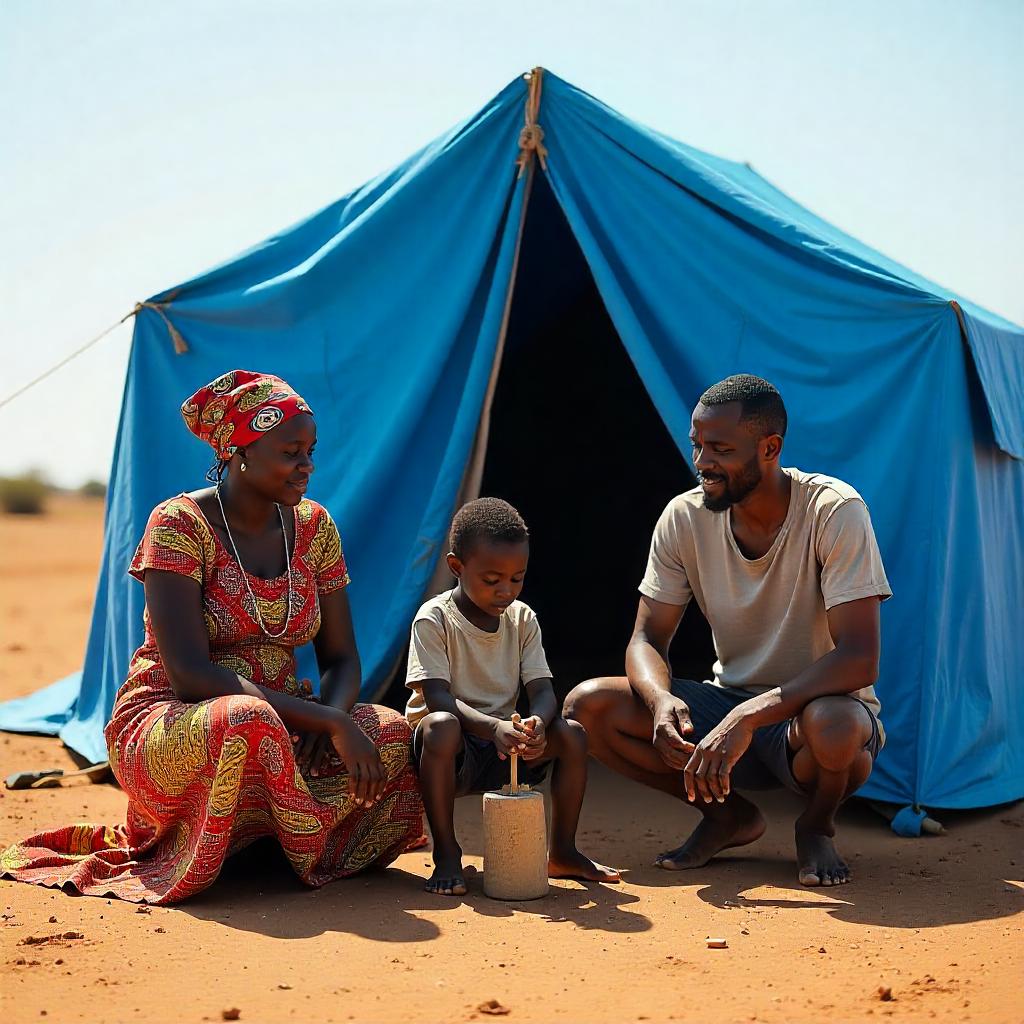
While prenatal and perinatal factors matter, parenting still plays a vital role. Love and support, even in the midst of damage, can redirect a child toward resilience. On the other hand, fear-based or harsh parenting only deepens the wounds.
Critical life skills—problem-solving, empathy, self-control—are learned in childhood. If adults lack them, it means they never received them. Parenting, therefore, has lifelong consequences: effective parenting nurtures thriving adults, while failed parenting perpetuates cycles of dysfunction.
For related insights on discipline versus punishment, see our article: Discipline Against Punishment: Which Route Are You Taking?

Breaking the Cycle
Behavioral struggles in teenagers or young adults rarely start in high school. They are symptoms of deeper, multi-generational issues. Effective healing requires looking beneath the surface—comprehensive history-taking, uncovering subconscious programming, and addressing the roots, not just the symptoms.
Advice-giving alone doesn’t create transformation. Real change comes from understanding and reprogramming what shaped us from the beginning.
As parents, caregivers, and community members, we must remember: behavior is not born in a day. Each individual’s story is layered with history. Instead of rushing to blame, let’s respond with compassion, awareness, and a willingness to nurture healing.
For more resources, visit our Nourish & Flourish website.