

By Susan Catherine Keter | Health and Wellness Advocate
Ever ignored the leaflet inside your medication box? I did several times and paid a heavy price.
Many of us trust that once a doctor prescribes medicine, all is well. But here’s the truth: medications come with contraindications, interactions, and instructions for a reason.
Skipping this information can lead to serious side effects or even life-threatening situations.
My journey into health advocacy started with a crisis. Our two young sons required major surgeries within the same year. I was pregnant at the time, and the stress triggered high blood pressure.
I was put on medication, and soon after, developed a persistent cough. A chest specialist diagnosed me with asthma and put me on inhalers, without ever reviewing the medication I was on.
Years later, the same scenario repeated itself. Blood pressure medication → cough → misdiagnosed asthma → unnecessary inhalers.
This time, a more honest doctor explained that the cough was a side effect of the blood pressure drugs. The diagnosis of asthma had been wrong all along.
That was the first red flag.

Why Medication Leaflets Matter
Every medication comes with a leaflet containing vital information: highlighting side effects, warnings, and dosage guidelines.
That leaflet is your right to informed consent. If you’re not given one, especially when drugs are handed over in unmarked envelopes, ask your pharmacist or look up the information online.
Never take medication you don’t fully understand.
Read: How to Read Medication Leaflets
Watch: My Story of Two Brothers and a Life Transformed
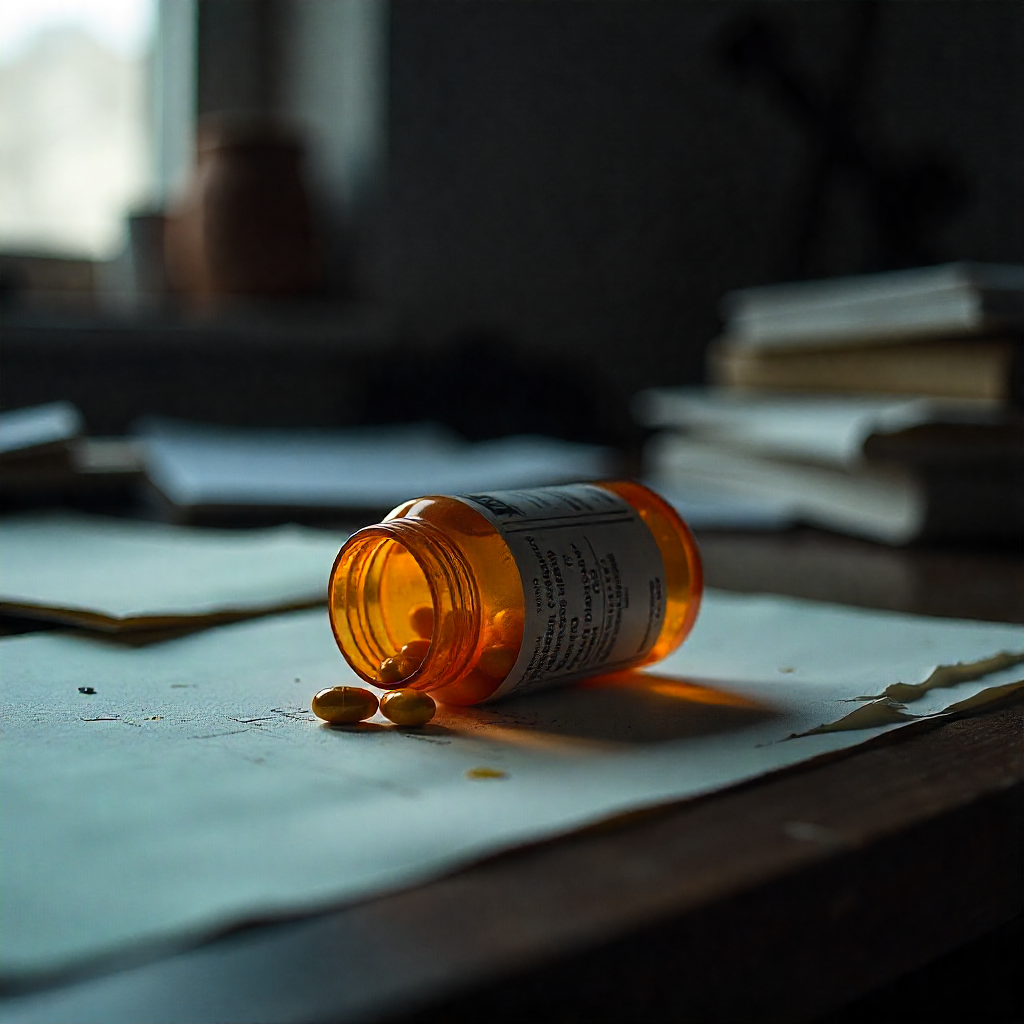
Expired Drugs and Hidden Dangers
I live in a country where expired medications sometimes make their way into the market. I was once sold expired drugs, and it nearly cost me my life.
Since then, I’ve learned to scrutinize every package, check batch numbers, expiry dates, and ask questions.
Medications close to expiration lose potency, and some ingredients break down into harmful compounds. Always listen to your body.
If you have a bad reaction to a medication, consult a trusted pharmacist immediately.

The Hidden Chain Reaction
After my misdiagnosed “asthma,” I developed gastrointestinal issues, later traced to the side effects of both the inhalers and the blood pressure meds.
I was put on more drugs for H. pylori, which then made me vulnerable to pneumonia. The cascade continued: from pneumonia to depression, insomnia, sinus issues, and eventually, a pharmacy of pills for problems I later realized were caused by the medications themselves.
“There was a pill for every symptom—including the ones caused by the pills. I became someone’s cash cow, thanks to my ignorance.”
Related: Can Gut Health Affect Mental Health?
Explore: Healing the Gut Naturally

What I Wish I Had Known Sooner
Many chronic conditions, including asthma, sinusitis, hypertension, and even insomnia, have roots in lifestyle, stress, gut health, and nutritional deficiencies.
My health improved dramatically when I shifted from overmedication to healing through food, natural remedies, and lifestyle adjustments like juicing and supplementation.

Pass The Word: Empower Yourself About Your Health
You don’t have to be a doctor to understand your body. Ask questions. Read the leaflet. Learn the side effects. Talk to your pharmacist. If something feels off, follow your instincts.
Have you ever been overmedicated or misdiagnosed? Share your story in the comments. Your voice may help someone else.
Tags: #NourishAndFlourish, #HealthLiteracy, #KnowYourMeds, #NaturalHealing, #GutHealth, #MedicationAwareness, #WellnessJourney, #SusanCatherineKeter,