
By Sammy Keter, Co-editor, Nourish and Flourish Live
Why Hands-On Learning Matters
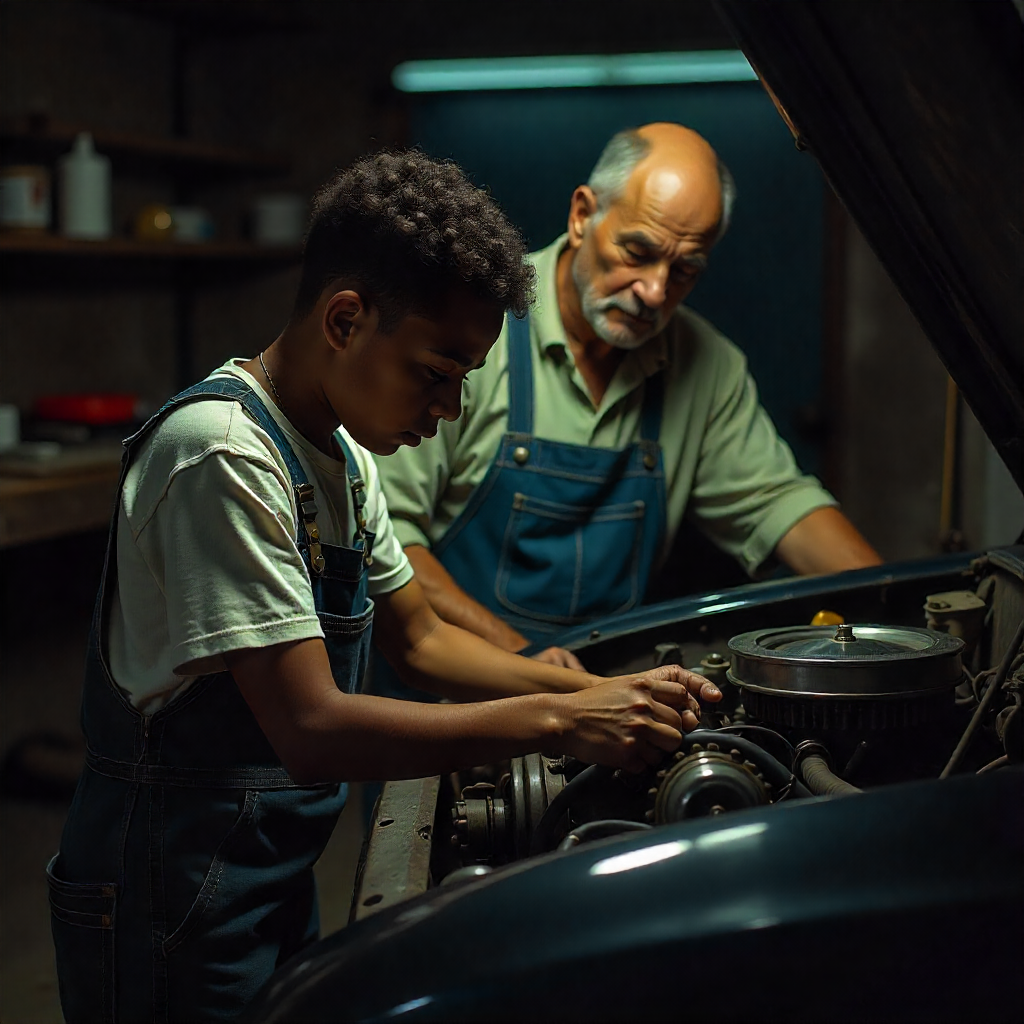
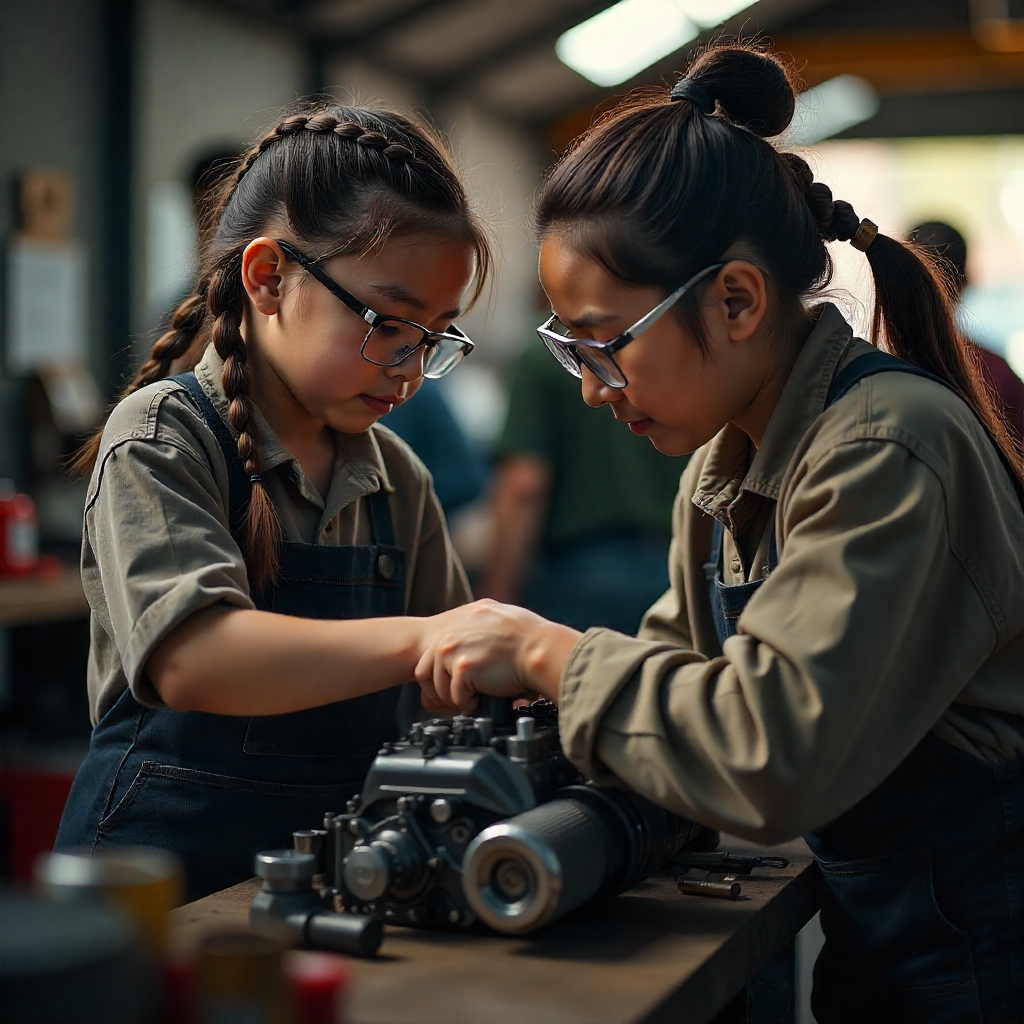
Gentlemen, and young people in general, let me tell you this: learn to work with your hands. Learn to fix things, repair things, and create things. Learn as much as you can, and continue learning throughout your life.
Never waste away your days with the excuse, “I don’t have a job, I don’t know what to do!” Life is full of challenges, but the best way to confront them is to learn, acquire skills, and develop tactics to tackle them.
Employers value problem-solvers. Families respect reliable hands.
And most importantly, your confidence grows when you know you can handle challenges head-on. Read more about the benefits of continuous growth in the feature: Why Lifelong Learning Matters for Mental Health.
My Journey of Learning
Early Curiosity
At the age of 10, I built a homemade guitar out of a block of wood, goatskin, and some wires “borrowed” from my grandfather. It wasn’t perfect, but it was awesome—and it taught me the joy of creating.
By 15, after dropping out of school due to a lack of fees, I refused to pity myself. Instead, I joined a mechanic as a spanner boy. I learned how to handle tools, repair tractors, and service lorries. By the time I returned to school, I already had skills that made me useful.
Building, Sewing, and Typing
At 20, I made my first bed and a twine lounge set for my sister.
At 22, after being expelled from university during riots against President Moi, I worked with the late Bro. Siror, a tailor at Kipkarren Salient. From him, I learned the art of sewing and repairing clothes.
Later, I bought an old manual typewriter and typed painfully with just two fingers, like a hawk hunting for prey. Visualize how it hovers in the air, then dives to grab the prey on the ground. That was the beginning of typing skills.
Then I met journalist Jackson Silla (R.I.P.), who typed like a machine gun with 10 fingers. He embarrassed me, but it challenged me.
Not long after, my girlfriend (now my wife), a trained secretary, typed effortlessly with ten fingers without looking. She taught me the home keys, and today, I type like a pro. We still compete, and though she beats me most times, I am proud of how far I’ve come.

Creativity and Beyond
Learning didn’t stop there. Over the years, I’ve added skills in:
- Photography – capturing memories and moments.
- Graphic design – telling stories visually.
- Video editing & film production – shaping narratives.
- Music composition – writing songs, playing guitar, and a bit of keyboard.
- Digital skills – from typing to mixing my own music.
Some may call me a jack of all trades, but I call myself a lifelong learner. And truthfully, this has kept me mentally strong, creative, and relevant.
Recently, I’ve started exploring AI tools—not to compete with the young but to keep adapting and catching up.
Explore our recommended guide on How to Use AI for Creativity and Learning.

Lessons for Boys and Girls
- Never stop learning – Every skill you gain is another tool in your life’s toolbox.
- Adapt and adjust – Change is constant. Those who learn will thrive. Those who don’t will fall by the wayside.
- Hands-on skills matter – Don’t just rely on theory. Build, repair, and create.
- Protect your mental health – Learning and creating keep your mind young and resilient.
- Learning creates opportunities – Today’s hobby can be tomorrow’s career or business.

Learning for Life
Learning is not just for school or work; it is a lifestyle. Whether you’re a young boy, a girl, or already an adult, remember this: learning never ends.
Pick up a tool, a book, or even a new app. Build yourself one skill at a time. Because one day, what you learn may save your job, your money, or even your dignity and future.